

















































Green Science Alliance Contributes to UNIDO’s Green Industrial Recovery Project in Ukraine Through Technology Transfer and New Business Creation with Japanese Private Industries
Green Science Alliance Advances Green Industrial Recovery in Ukraine Through Biomass-Based Bioplastics
Green Science Alliance Co., Ltd. (Headquarters: Kawanishi City, Hyogo Prefecture; CEO: Dr. Ryohei Mori; hereinafter “GSA”) is a Japanese green technology startup developing advanced materials and technologies for a sustainable, carbon-neutral society. The company focuses on innovative solutions in the fields of energy, environmental protection, and sustainable materials.
One of GSA’s key areas of research is the development of plant biomass-based materials, including biodegradable plastics, resins, coatings, adhesives, paints, nanocellulose, biochar, rubber, textiles, detergents, lubricants, and other sustainable products. GSA’s goal is to replace petroleum-derived materials and products with plant biomass-based alternatives, thereby contributing to the reduction of CO₂ emissions and plastic pollution.
Contribution to the Green Industrial Recovery Project for Ukraine
GSA is contributing to the “Green Industrial Recovery Project for Ukraine through Technology Transfer and the Co-Creation of New Businesses with Japan’s Private Industries” (hereinafter, “the Project”). The Project is funded by the Ministry of Economy, Trade and Industry of Japan (METI) and implemented by the United Nations Industrial Development Organization (UNIDO).
The Project aims to support Ukraine’s industrial recovery and the development of its innovation ecosystem through technology transfer, capacity building, and business co-creation between Ukrainian and Japanese private-sector companies.
As part of the Project’s feasibility study, GSA, as the grant beneficiary, is collaborating with Ukrainian company TETRAVION K Ltd. to investigate the development of plant biomass-based biodegradable resins and plastics using agricultural and other organic biomass waste generated in Ukraine.
The feasibility study was formally signed and commenced on September 30, 2025. Its objective is to assess the applicability of GSA’s technologies in Ukraine and evaluate their potential contribution to the country’s green industrial recovery and future sustainable manufacturing capabilities.
Development of Biomass-Based Bioplastics
During the first year of the feasibility study, GSA and TETRAVION K Ltd. are focusing on the development of biodegradable plastics derived from locally available biomass and organic waste.
Potential raw materials include agricultural residues such as:
- Straw
- Corn husks
- Other agricultural and plant-based biomass waste
- Organic waste generated by local industries
By converting locally available waste resources into value-added materials, the project seeks to establish a circular approach to materials production while reducing dependence on fossil-based resources and minimizing waste.
GSA has extensive experience in the development of plant biomass-based materials and products. The company’s approach to replacing petroleum-derived materials with renewable biomass-based alternatives was highlighted in a scientific article authored by GSA CEO Dr. Ryohei Mori and published in the British scientific journal RSC Sustainability, where the article was featured on the journal’s front cover.
Field Survey and Local Collaboration in Ukraine
In late March 2026, Dr. Ryohei Mori and Dr. Haneji of GSA conducted a field survey in the vicinity of Kyiv as part of the feasibility study.
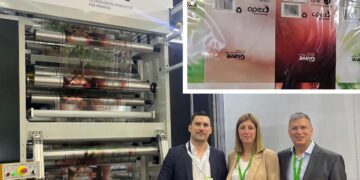
During the visit, the GSA team held discussions with its Ukrainian partner, TETRAVION K Ltd., and visited an affiliated company involved in the manufacturing of biodegradable plastic films. The team also inspected several potential locations that could be considered for a future manufacturing facility.
In addition, GSA met with local companies operating in the food-processing and biogas power-generation sectors. These discussions focused on identifying potential sources of biomass and organic waste that could be utilized as raw materials for future bioplastic production.
GSA also held discussions with relevant Ukrainian governmental authorities regarding the verification of impurity profiles, chemical compositions, and safety standards applicable to biodegradable plastic products in Ukraine. These discussions are intended to help clarify the regulatory and technical requirements for introducing and manufacturing biomass-based biodegradable materials in the country.
Cooperation with Japanese Organizations in Ukraine
During its visit, GSA also met with representatives of the Embassy of Japan in Ukraine and the JETRO Kyiv Office to discuss the establishment of a local Ukrainian branch and potential future business development.
These discussions are expected to support GSA’s efforts to establish a long-term presence in Ukraine and develop business activities based on Japanese green technologies and Ukrainian resources and industrial capabilities.
Next Steps Toward Pilot Demonstration
As the next step in the feasibility study, GSA is currently developing prototypes of plant biomass-based resin and plastic products using biomass waste sourced from Ukraine as partial raw material ingredients.
The development of these prototypes will provide an opportunity to evaluate the technical feasibility and performance of Ukrainian biomass-derived materials and to demonstrate their potential for practical industrial applications.
GSA aims to use the results of the feasibility study to advance the project toward a future pilot technology demonstration phase, subject to meeting the relevant evaluation criteria and conditions.
Through this initiative, GSA seeks to contribute not only to the development of sustainable materials but also to Ukraine’s industrial recovery, circular economy, and green innovation ecosystem. By combining Japanese green technology with Ukraine’s abundant biomass resources and industrial capabilities, GSA aims to create new opportunities for sustainable manufacturing and long-term business collaboration between Japan and Ukraine.
#greensciencealliance #ukraine #biodegradableplastics