
















































Rising Fuel and Fertiliser Costs Put UK Farmers Under Pressure, Raising Concerns Over Food Security
Higher farm operating expenses, prolonged dry weather and uncertainty over returns are putting pressure on British agricultural businesses, strengthening calls for measures to protect domestic food production.
LONDON, October 13, 2026: Farmers across the United Kingdom are facing mounting financial pressure as higher fuel and fertiliser costs combine with extreme weather and uncertainty over farm incomes. The growing strain has renewed concerns about the resilience of the country’s food supply and the long-term sustainability of domestic agriculture.
A report published by The Guardian on October 11 highlighted the challenges facing British food producers, including rising operating expenses, the effects of a prolonged dry summer and international geopolitical tensions. Farmers and industry representatives warned that businesses already dealing with difficult production conditions may find it increasingly challenging to absorb additional costs.
The concerns come at a time when the relationship between agricultural production costs and the prices farmers receive for their products is under renewed scrutiny.
Fuel and Fertiliser Costs Increase Pressure on Farm Businesses
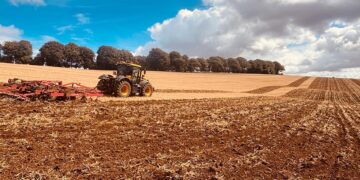
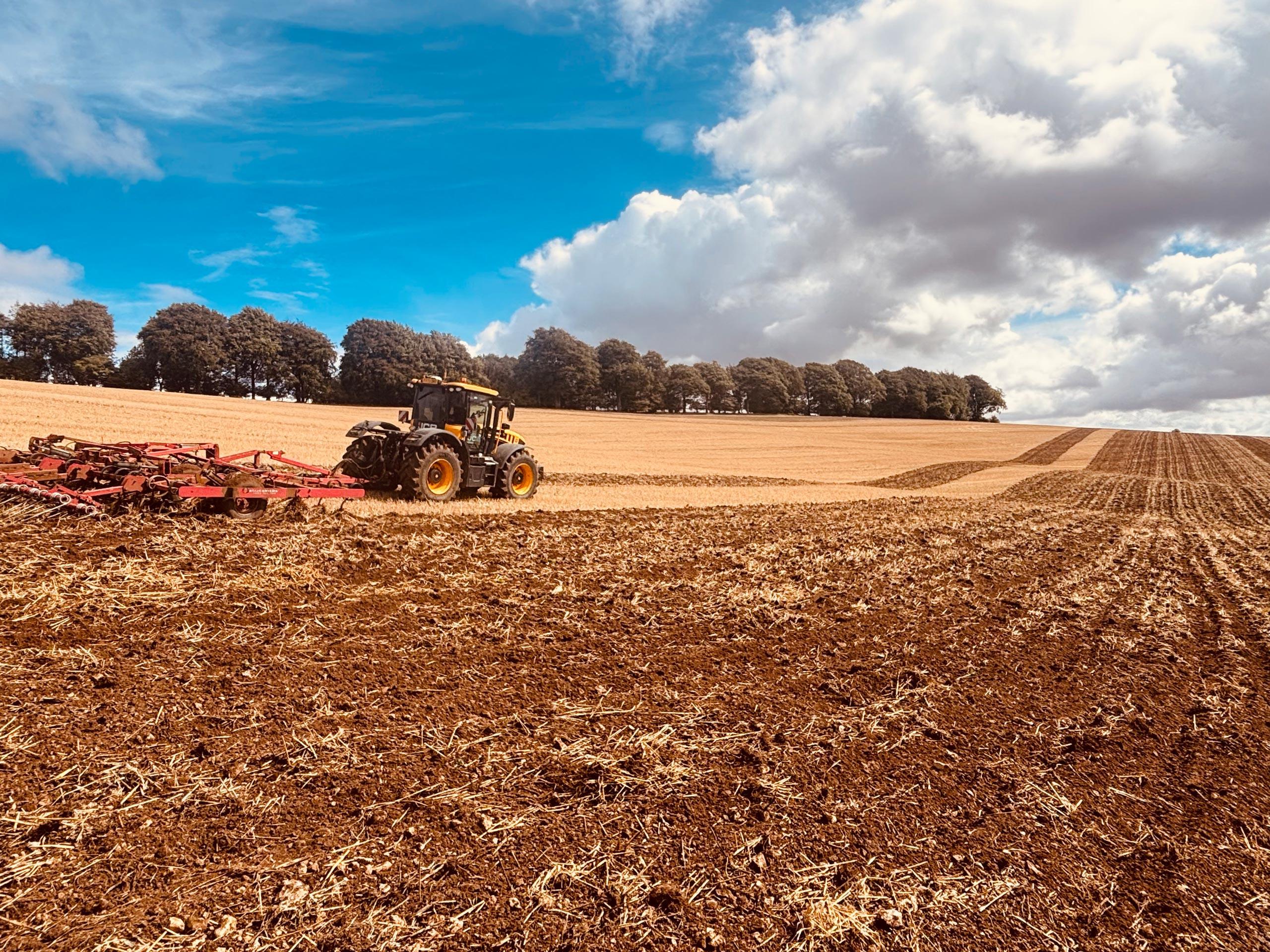
Fuel is essential to modern farming, powering tractors, harvesters, irrigation equipment and machinery used to transport crops. When diesel prices rise, farmers face higher expenses across planting, cultivation, harvesting and distribution.
Fertilisers are equally important for maintaining crop productivity. Their prices are influenced by energy costs, international commodity markets, manufacturing expenses and supply-chain disruptions. Higher fertiliser prices can force farmers to reconsider application rates, adjust planting decisions or accept lower profit margins.
According to the UK Department for Environment, Food and Rural Affairs (Defra), its July 2026 Agricultural Price Index showed that agricultural input prices increased by 6.4% over the 12 months to July 2026. Within that index, fertilisers and soil improvers rose by 13.1%, while energy and lubricants increased by 13.8%.
Over the same period, the agricultural output price index—which tracks prices received by farmers—fell by 3.5%. These figures illustrate the pressure created when the cost of producing food rises while prices received for agricultural products move in the opposite direction.
Prolonged Dry Weather Adds to Agricultural Challenges
Higher input costs are only one part of the problem. Dry weather can reduce crop yields, increase irrigation requirements and raise the financial risks associated with a growing season.
Farmers may need to spend more on water management and soil protection while harvesting smaller quantities of crops. For livestock businesses, dry conditions can also affect grass growth and increase the cost of securing feed and water.
The combination of adverse weather and rising production expenses can be particularly difficult for farms operating with limited cash reserves. If revenues fall while costs remain elevated, farmers may have less capacity to invest in machinery, soil improvement, irrigation infrastructure and other measures needed to strengthen long-term productivity.
Government Announces Support Measures for Farmers
The UK government has acknowledged the financial pressures facing farmers and has outlined measures intended to support agricultural businesses affected by prolonged dry weather and rising costs.
In a written parliamentary response dated September 14, 2026, the government cited a £65 million support package for farmers in England. The package includes an additional £50 million for the Sustainable Farming Incentive 2026 to help farmers adapt to drought risks, alongside up to £15 million to support the construction of on-farm reservoirs.
The government also said that the reduced red diesel duty rate would remain in place until the end of 2026, helping support fuel-intensive agricultural operations during the harvest period. It has considered proposals concerning temporary fertiliser tariff suspensions as part of wider efforts to address cost pressures.
Agricultural policy is devolved across the UK, meaning that support arrangements can differ between England, Scotland, Wales and Northern Ireland.
Food Security Moves Higher on the Policy Agenda
The financial condition of farming businesses has implications beyond the agricultural sector. Domestic farms contribute to food availability, rural employment, supply-chain stability and the resilience of the national economy.
When production costs become difficult to manage, some farmers may reduce investment, change crops or reconsider the future viability of their businesses. If these pressures persist across the sector, they could affect the country’s ability to maintain reliable domestic food production.
The UK currently relies on a combination of home-grown food and imports. Maintaining a productive agricultural sector therefore requires attention to farm profitability, climate adaptation, infrastructure and the stability of essential input supplies.
Industry representatives have called for longer-term planning, more resilient supply chains and policies that enable farmers to manage climate and market risks without undermining their ability to produce food.
Technology and Sustainable Farming Could Help Build Resilience
The challenges facing UK agriculture also highlight opportunities to improve efficiency and reduce exposure to volatile input prices.
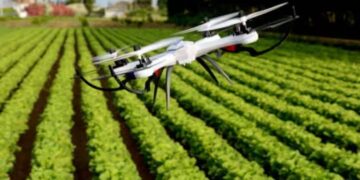
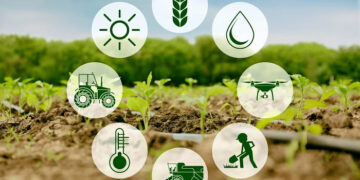
Precision agriculture, soil-health management, improved nutrient planning, water-efficient irrigation and renewable energy can help farms use resources more effectively. Better access to agronomic advice and weather information can also support decisions about crop selection, fertiliser application and water management.
However, adopting these measures requires investment, technical knowledge and access to suitable financing. Smaller farms may need targeted support to implement new equipment and practices while maintaining day-to-day operations.
Long-term resilience will depend on combining practical farm-level improvements with policies that support sustainable production and viable farm businesses.
Outlook
The pressure on UK farmers reflects a wider challenge facing agriculture internationally: producers must manage unpredictable weather and volatile input costs while maintaining reliable food supplies at affordable prices.
Government support can provide short-term relief, but sustained progress will require measures that improve farm productivity, strengthen climate resilience and make agricultural businesses more financially sustainable.
Conclusion: Rising fuel and fertiliser costs, combined with difficult weather conditions, are putting pressure on UK agriculture and highlighting the close connection between farm profitability and food security. The coming months will be important in determining whether support measures and improved farming practices can help protect domestic production and strengthen the resilience of Britain’s food system.