































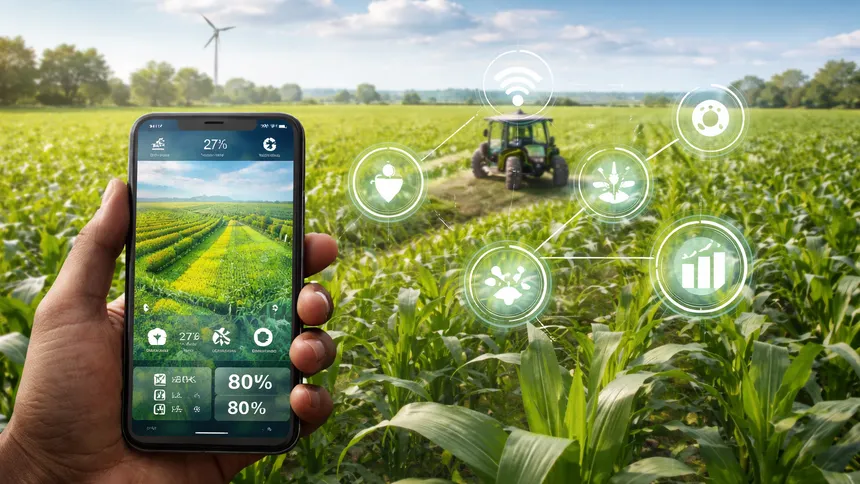
AI-Powered Agriculture Enters a New Era With Smarter Weather and Crop Disease Forecasting
Artificial intelligence is rapidly becoming an important technology in modern agriculture, helping farmers, researchers and agricultural authorities analyse large volumes of data and make faster decisions about crops, weather, pests and diseases.
The agricultural sector is facing increasingly complex challenges. Changing rainfall patterns, extreme temperatures, droughts, floods, soil degradation and the emergence of new pest and disease threats can all affect farm productivity. In this environment, AI-powered tools are being developed to provide farmers with more timely and localized information.
Unlike traditional agricultural advisory systems that often rely on broad regional forecasts, AI-based platforms can combine multiple data sources—including satellite imagery, weather observations, soil information, field sensors, historical crop records and farmer-generated data—to produce more detailed assessments of conditions at the local level.
One of the most promising applications is early weather forecasting. AI models can analyse historical weather patterns alongside current atmospheric and environmental data to identify potential changes in rainfall, temperature and other conditions. More localized forecasts can help farmers determine when to prepare fields, sow seeds, irrigate crops or apply crop-protection measures.
In India, AI-based weather information is already being tested and deployed for agricultural decision-making. An Indian government pilot used AI-powered local monsoon-onset forecasts to support Kharif sowing decisions. Forecast information was delivered to nearly 3.88 crore farmers across 13 states, while surveys in Madhya Pradesh and Bihar indicated that many participating farmers adjusted planting or land-preparation decisions after receiving the information.
AI Moves Into Crop-Disease Detection
Another rapidly developing application is crop-disease identification.
Plant diseases can spread quickly, particularly when temperature and humidity conditions are favourable. Traditionally, farmers may need to identify symptoms themselves or consult agricultural officers and experts. AI-powered image-recognition systems are designed to make this process faster by analysing photographs of leaves, stems, fruits and other plant parts.
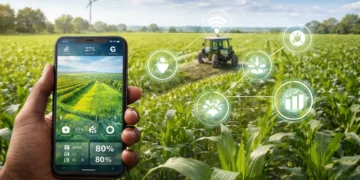
Farmers can potentially take a photograph of an affected crop using a smartphone and upload it to an agricultural platform. The system can analyse visible symptoms and compare them with large databases of known diseases, helping generate an initial identification and advisory.
Such systems are particularly useful in areas where agricultural experts are not immediately available. However, AI-generated diagnoses still need to be interpreted carefully, as symptoms can vary according to crop variety, environmental conditions and the stage of infection.
AI-Powered Pest Surveillance
AI is also being used to improve pest monitoring.
India’s National Pest Surveillance System (NPSS) uses artificial intelligence and machine learning to support the identification of pest infestations. According to India’s Ministry of Agriculture and Farmers Welfare, the system covers 66 crops and more than 432 pest types, with more than 10,000 extension workers using the technology.
Early identification can be important because pest outbreaks can become significantly more difficult and expensive to control once they spread across large areas.
AI-supported surveillance can help agricultural officials identify patterns in pest activity and provide farmers with information that may allow them to respond earlier. This could also support more targeted use of pesticides rather than relying on blanket applications.
Satellite Data Adds a New Dimension
The combination of AI with satellite and remote-sensing technologies is expanding the scale at which agricultural monitoring can take place.
Satellites can provide information about vegetation health, soil moisture, crop development and areas experiencing stress. AI systems can process these images and identify changes that may not be immediately visible from the ground.
For example, an AI model may identify unusual vegetation patterns that indicate water stress or declining crop health. Agricultural authorities can then investigate affected areas and provide targeted support.
This approach is particularly relevant for large agricultural regions where it would be difficult for field workers to inspect every farm regularly.
Digital Platforms Bring AI Closer to Farmers
The next stage of agricultural AI is increasingly focused on bringing multiple services together through digital platforms.
In Kerala, the KATHIR digital agriculture platform is being developed to use satellite imagery, remote sensing and AI analytics for services including localized weather alerts, sowing recommendations and crop-disease detection.
The platform illustrates how several technologies can work together. Instead of receiving separate information from different sources, farmers can potentially access weather, crop and advisory information through a single digital system.
Smartphone penetration is also making such services easier to distribute. Mobile applications can deliver alerts directly to farmers, while voice-based systems and regional-language interfaces could help make agricultural technology accessible to users who may not be comfortable with complex digital platforms.
From Prediction to Precision Farming
AI’s role in agriculture extends beyond weather and disease forecasting.
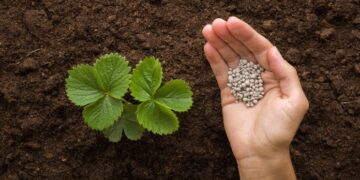
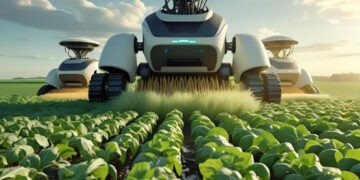
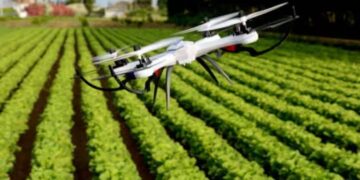
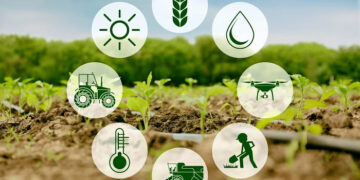
Machine-learning systems can also support precision farming, where inputs such as water, fertilisers and crop-protection products are applied according to the specific needs of different areas of a field.
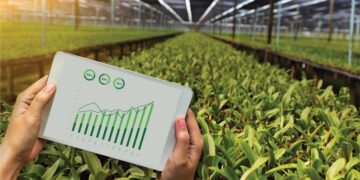
Sensors can collect information about soil moisture, temperature and crop conditions. AI systems can then analyse the information and identify where irrigation or other interventions may be required.
This approach could help reduce unnecessary use of agricultural inputs while improving resource efficiency. In water-stressed regions, for example, more accurate irrigation recommendations could become particularly valuable.
AI can also contribute to yield forecasting. By analysing historical production data, weather patterns, soil conditions and satellite imagery, models can estimate how crops are developing and identify potential production risks before harvest.
Climate Change Increases Demand for AI-Based Tools
Climate variability is one of the major factors driving interest in agricultural forecasting technologies.
Farmers increasingly need to make decisions under uncertain conditions. A shift in rainfall timing of only a few days can affect sowing, flowering and harvesting, while prolonged heat can reduce crop productivity.
AI cannot control these environmental risks, but improved forecasting could give farmers additional time to respond.
Early warnings for drought, heavy rainfall, pest outbreaks or crop disease could allow farmers to adjust irrigation, change field operations or seek appropriate agricultural advice.
This is particularly important for smallholder farmers, for whom a significant crop loss can have a major economic impact.
Challenges Remain
Despite its potential, agricultural AI faces several challenges.
The first is data quality. AI systems require large quantities of reliable and representative data. If information from a particular region or crop is limited, the accuracy of predictions may be reduced.
Local agricultural conditions can also vary considerably. A model trained using data from one region may not perform equally well in another region with different soil, climate, crop varieties or farming practices.
Another challenge is accessibility. Advanced AI systems may require smartphones, internet connectivity, digital literacy and reliable access to agricultural information. Ensuring that rural communities can use these technologies will be essential for their wider adoption.
There is also a need for human expertise. AI predictions should support—not replace—farmers, agricultural scientists, extension officers and other experts. Farmers need clear explanations and practical recommendations rather than simply receiving a technical prediction.
Building Trust in Agricultural AI
For AI to become a dependable part of farming, farmers need confidence that the information they receive is accurate and useful.
This means AI systems need to be tested under real agricultural conditions and continuously improved using local data. Recommendations should also be communicated in languages and formats that farmers can easily understand.
The quality of the advisory is just as important as the sophistication of the technology behind it.
Researchers are therefore increasingly looking at systems that combine AI predictions with human agricultural knowledge. Such approaches can provide farmers with technology-driven insights while allowing experts to validate recommendations and account for local conditions.
The Future of Smart Agriculture
The development of AI-powered agricultural systems signals a shift from reactive farming toward predictive farming.
Instead of waiting for a crop disease to become widespread, farmers could receive an early warning. Instead of responding to drought after crops begin showing severe stress, they could receive information about changing soil and weather conditions earlier. Instead of applying inputs uniformly across an entire field, farmers could increasingly use data to identify where those inputs are actually required.
The technology is still developing, and AI will not eliminate the uncertainties associated with farming. Weather remains unpredictable, biological systems are complex and farmers will continue to face economic and environmental pressures.
However, the combination of artificial intelligence, satellite imagery, remote sensing, sensors, weather data and digital agricultural platforms is creating new tools for managing those uncertainties.
As agricultural systems around the world become more data-driven, AI could play an increasingly important role in helping farmers protect crops, conserve resources and respond more quickly to changing conditions.
The future of agricultural technology is therefore moving beyond simply asking what is happening in a field today. Increasingly, the goal is to determine what is likely to happen next—and provide farmers with enough information to act before a potential problem becomes a major loss.
#ai #cropdisease #potentialfamineprevention #modernagriculturetimes