





















































DISCOVER EDO-ERA CHARM JUST 30 MINUTES FROM TOKYO AT KOSHIGAYA’S FIRST “EDO NIGIWAI MARKET”
Just 30 minutes from Tokyo, Koshigaya City in Saitama Prefecture is inviting visitors to discover a lesser-known side of Japan through food, traditional crafts and hands-on cultural experiences.
On November 15, the city will host the first “EDO Nigiwai Market — Koshigaya Vegetables and Traditional Crafts Experience Market” at AEON LakeTown OUTLET, one of the area’s major shopping destinations.
The new market will bring together locally grown vegetables and food, traditional craftsmanship and Japanese cultural performances, giving visitors the opportunity not only to see Japanese traditions, but to taste, touch and experience them firsthand.
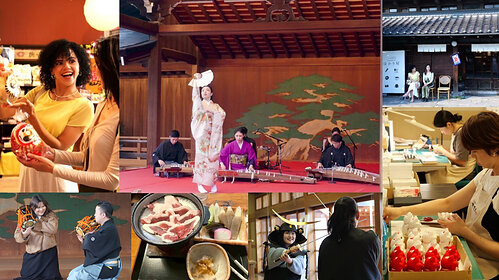
Visitors can shop for Koshigaya-grown produce and regional foods, discover traditional crafts such as daruma and hina dolls, listen to live shamisen music and watch samurai performances. Hands-on activities will also include trying on samurai armor and experiencing shuriken throwing.
Organized by ROJICOYA, a company specializing in cultural experiences and walking tours centered on the Edo period and traditional Japanese culture, the market is planned to take place approximately every three months. Each edition will highlight seasonal food, crafts and cultural experiences.
The organizers hope the event will become more than a one-day market. Their long-term vision is to create a gateway through which both Japanese and international visitors can discover Koshigaya’s history, culture, local industries and people.
A pre-event will take place on September 27, allowing organizers to gather visitor feedback and operational insights ahead of the first full-scale market on November 15.
“Koshigaya — A Town That Helped Sustain Edo”
The market is built around the theme “Koshigaya — A Town That Helped Sustain Edo.”
Edo is the former name of present-day Tokyo and refers to the period from 1603 to 1868, when the city developed into Japan’s political and economic center.
Located approximately 25 kilometers from Nihonbashi in central Tokyo, Koshigaya played an important role during this period. It flourished as Koshigaya-juku, the third post town along the Nikko Kaido, a major route connecting Edo with Nikko.
Post towns, known as juku, provided travelers with places to rest, eat and stay overnight. They also became important centers for the movement of goods, people and information.
Koshigaya’s rivers, waterways and fertile farmland helped the area develop agriculture alongside transportation and trade. Local crafts and skilled handwork also became part of everyday life.
Centuries later, many of these connections remain visible in the city’s food, agriculture, craftsmanship and cultural traditions. The EDO Nigiwai Market aims to bring those stories together in a format that is accessible to modern visitors.
For international travelers in particular, “EDO” provides an easy entry point into Japanese history, while the market connects that history to the farmers, craftspeople and residents who continue these traditions today.
Four Ways to Experience Koshigaya
The market will be organized around four core experiences, giving visitors multiple ways to discover the city.
Taste & Shop: The Flavors of Koshigaya
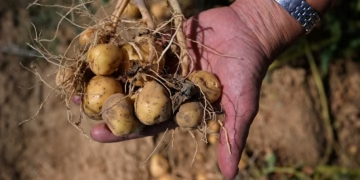
Fresh local produce will take center stage, with visitors able to discover vegetables grown in Koshigaya alongside other regional foods and specialties.
But the experience goes beyond simply shopping. Visitors will also learn about the farmland, agricultural traditions and local farmers behind the food, creating a direct connection between what is on the table and where it comes from.
See & Shop: The Art of Traditional Craftsmanship
Traditional craftsmanship will be another highlight, with exhibits and products including Koshigaya daruma, traditional Japanese good-luck dolls; hina dolls, traditionally displayed during Hinamatsuri, Japan’s annual Girls’ Festival; samurai armor; and lightweight boxes made from paulownia wood, known in Japan as kiri.
Visitors will be able to see the craftsmanship up close, purchase selected items and learn about the techniques and skills passed down through generations.
The experience also introduces the Japanese concept of monozukuri—a philosophy that goes beyond simply making things to emphasize craftsmanship, care, precision and pride in the creation process.
Watch & Listen: Music, Movement and Performance
The market will bring Japanese performing arts to life through live shamisen performances and dynamic samurai shows.
The shamisen is a traditional three-stringed Japanese instrument, while samurai performances offer a visual introduction to the movements and atmosphere associated with Japan’s warrior culture.
For visitors unfamiliar with Japanese history or traditional performing arts, the performances offer an approachable way to experience the country’s cultural heritage through sound and movement.
Become a Samurai or Ninja: Hands-On Experiences
Rather than simply watching history unfold, visitors will have the opportunity to step into it.
Participants can try on traditional samurai armor and experience what it feels like to enter the world of Japan’s historic warriors.
A ninja-themed activity will also give visitors the chance to try shuriken throwing, using the small throwing weapons historically associated with ninja.
These interactive experiences are designed to make Japanese culture memorable by allowing visitors to participate rather than simply observe.
Together, the four elements—food, craftsmanship, performance and hands-on activities—offer different ways to explore Koshigaya while building a deeper understanding of the city.
Beyond LakeTown: Discover the Rest of Koshigaya
The EDO Nigiwai Market is intended to be an introduction, rather than the final destination.
A dedicated tourism information area will encourage visitors to continue exploring Koshigaya, pointing them toward historic streets, farms, workshops, shops, waterfront areas and cultural attractions throughout the city.
Highlights include Hisaizu Shrine, a historic Shinto shrine; Koshigaya Noh Theater, where visitors can experience Noh, one of Japan’s oldest forms of classical performing arts; and Hanata-en, a traditional Japanese garden.
Visitors inspired by Koshigaya’s food culture can continue on to local farms and produce shops. Those interested in craftsmanship can visit workshops and meet local makers, while those drawn to samurai culture and traditional performing arts can explore the city’s historic and cultural sites.
ROJICOYA also plans to develop half-day and full-day itineraries connecting farms, workshops, shops, shrines, temples and cultural facilities, alongside year-round bookable cultural experiences.
A New Reason to Visit Every Season
Following the first full-scale event on November 15, the EDO Nigiwai Market is expected to return approximately every three months.
Each edition will introduce a new seasonal perspective on Koshigaya, featuring different vegetables, foods, crafts and cultural experiences throughout the year.
The goal is to encourage visitors to return and discover something new with every visit.
More broadly, the project aims to shift the way visitors experience Koshigaya. Rather than making LakeTown the beginning and end of their trip, organizers hope the market will inspire people to venture into the wider city—to its farms, workshops, historic streets, shrines and cultural venues.
The initiative also seeks to connect tourism with local industries and cultural heritage. By creating opportunities for visitors to meet farmers, craftspeople and cultural practitioners, the project aims to generate local spending, encourage repeat visits and support the continuation of regional traditions.
For travelers looking to experience something beyond Tokyo’s familiar tourist routes, the EDO Nigiwai Market offers a chance to discover a different side of Japan—one rooted in local food, craftsmanship, history and people.
And perhaps the most important goal is to leave visitors with a simple thought:
“I didn’t know Koshigaya had this kind of history and culture. Next time, I want to explore the city itself.”
The EDO Nigiwai Market hopes to make that next journey begin just beyond LakeTown—and lead visitors into the Koshigaya beyond LakeTown.
#tourism #japan #japanesegriculture #moderntourismindia #modernagriculturetimes