







































AI for Bharat: How Artificial Intelligence is Transforming Agriculture, Healthcare, and Education in India
Artificial Intelligence (AI) is no longer a thing of the future—it has already begun to make a critical impact as a driver of growth across key sectors in India. From agricultural practices and healthcare systems to learning outcomes in education, AI is transforming how India works, learns, and lives with no one taking notice. Analysts predict that AI in agriculture could reach $350 million by 2033, with growing applications in healthcare and education.
Rather than simply being a tool to replace jobs or automate tasks, AI is emerging as an enabler—helping people make smarter decisions, optimise resources, and improve quality of life. Let’s explore how AI is creating an impact across these three vital areas.
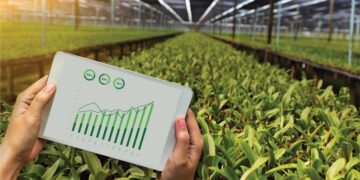
AI in Agriculture: Smart Farming with Chatbots, Sensors, and Drones
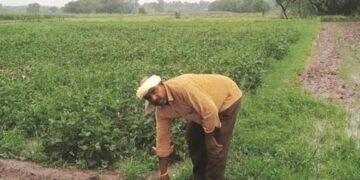
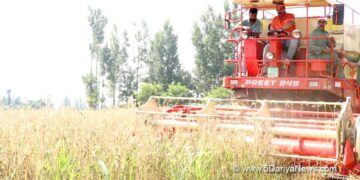
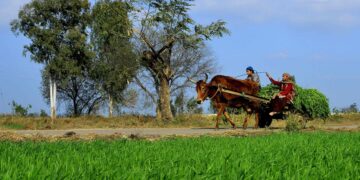
Farmers in India are finding practical uses for AI to help with some persistent problems—uncertain weather, water scarcity, bugs, and optimising their resources. With agriculture employing nearly half of its workforce in India, even small steps to implement AI can have an enormous effect.
One interesting project is the Saagu Baagu project in the state of Telangana where AI chatbots provide real-time farmers with advice regarding soil health, which crops to plant, and pest management, etc. There is also the Kisan e-Mitra AI Chatbot which was developed under PM-KISAN scheme designed to assist farmers in regional languages with their questions regarding subsidies, eligibility, and payments. In addition to text, it can also use voice and facial recognition for e-KYC, saving farmers to go through middlemen or repeat the process every season.
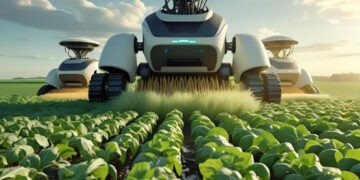
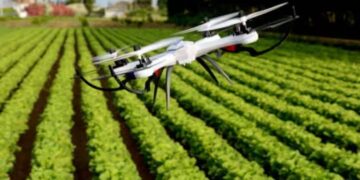
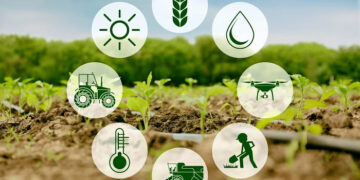
AI’s role is also extending to precision farming. Under the Namo Drone Didi Scheme, women across India are being trained to operate drones for pesticide and fertiliser spraying. These drones cover vast farmlands quickly, reduce chemical usage, and improve crop yields, making farming more sustainable. By 2025, the programme distributed 100 free drones to entrepreneurs in Punjab and provided subsidies to Farmer Producer Organizations (FPOs), encouraging wider adoption.
Considering the drones and chatbots, AI tools can help with weather predictions, mapping soil patterns, and detecting crop diseases, allowing farmers to take preemptive action before their crops are damaged. The farm tech transformation is enhancing India’s food security, transforming rural livelihoods, and equipping farmers and communities with the tools of technology.
AI in Healthcare: From Diagnosis to Surgeries
Healthcare in India is undergoing a dramatic transformation with AI-driven tools. For example, AIIMS Delhi developed Ioncology.ai, an advanced platform that analyses medical images to detect tumors early. By assisting doctors in diagnosis, it reduces chances of error and speeds up patient care.
Digital health platforms such as Practo are also harnessing AI to make online consultations more effective. AI reviews patient histories, summarises cases, and even suggests possible diagnoses, enabling doctors to provide faster, more accurate treatment.
AI is also making its way into operation theatres. The SSI Mantra 3 system allows remote heart surgeries with high precision, while the Stryker Mako system at CARE Hospitals in Hyderabad helps perform joint replacements using 3D CT scans. In Pune, doctors at DPU Super Specialty Hospital are using AI to create 3D models for complex cancer and kidney surgery to help them achieve better surgical outcomes.
In tandem, these innovations are increasingly making advanced healthcare more accessible to more and more people with better accuracy, affordability.
AI is transforming education: Personalised Learning for every student
The education sector in India seems to be embracing AI with equal zest. Platforms like Embibe, Toppr, Vedantu, and Byju’s are using AI to tailor lessons according to the strengths and weaknesses of the student.These platforms provide quizzes, video lessons, and chatbot support, ensuring that learning continues beyond the classroom.
Government-backed programs like DIKSHA and SWAYAM are getting learners engaged with digital learning mainly through game-based learning, and UNICEF is experimenting with AI platforms that help improve children’s basic skills of reading and maths.
Teachers are positively impacted by AI as AI takes over tedious tasks like marking papers, taking attendance, or planning lessons, which allows them to do the actual teaching. The NISHTHA Online platform uses AI simulations to train teachers and even provide them with valuable feedback. Some universities, such as Lovely Professional University are engaging AI to develop timetables and check resources and evaluate student performance through travel.
The added benefit is therefore an interactive, responsive, engaging, and efficient education system that is flexible to every learner and teacher.
https://www.financialexpress.com/
#AIForBharat #DigitalIndia #AIRevolution #SmartAgriculture#printpublication
#modernagriculturetimes