


























TNC Global team, PAU envision no-burn agriculture
A MoU was signed between PAU and TNC in mid-December 2022 to collaborate on project ‘development, adoption and impact analysis of no-burn and regenerative agriculture in Punjab’ and build on joint efforts for promoting regenerative and no-burn agriculture (PRANA) project being implemented across Punjab
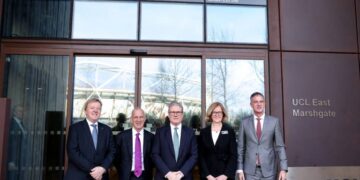
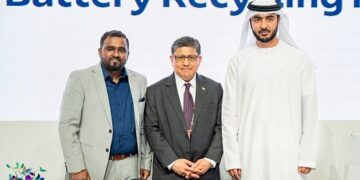
The global team of The Nature Conservancy, India (TNC India) held discussion with the experts of Punjab Agricultural University (PAU) on no-burn agriculture under the chairmanship of vice-chancellor Satbir Singh Gosal.
Managing director (MD) Global Conservation Mathew Brown; Global MD, Food and Freshwater Systems, Michael Doane; BEF programme director Kahlil Kettering; MD TNC India Annapurna Vancheswaran were among the members of the visiting contingent.
A memorandum of understanding (MoU) was signed between PAU and TNC in mid-December 2022 to collaborate on project ‘development, adoption and impact analysis of no-burn and regenerative agriculture in Punjab’ and build on joint efforts for promoting regenerative and no-burn agriculture (PRANA) project being implemented across Punjab.
Research accomplishments in protection and processing technologies paired with novel technology transfer strategies have tailored the extraordinary work tradition of the university, Gosal said. He listed climate-resilient technologies, speed breeding and energy-efficient agricultural machinery for small and marginal farmers as some of the domains underpinning the university’s quest for refinement.
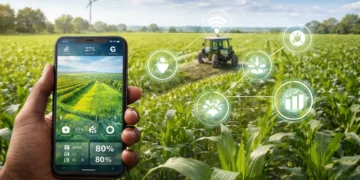
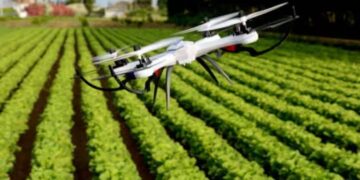
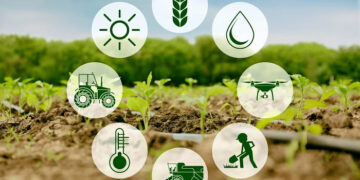
Enumerating the futuristic technologies of interest to PAU, Gosal cited the use of sensor-based technologies, drones, imaging, artificial intelligence (AI), Internet of Things (IoT), and robotics in agriculture.
He referred to the 60-year-old partnership with various G20 member countries for academic cross-border mobility and crop improvement programmes, and specified PAU’s search for partners sharing common values and commitment to the dynamism of a relationship.
Mathew Brown explained the role of political will in creating an enabling environment for the uptake of carbon-negative crop residue management technologies and the importance of harmonising policies across ministries to simultaneously achieve multiple goals.
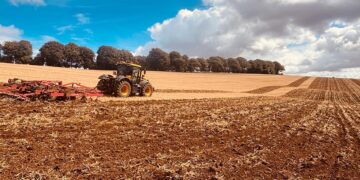
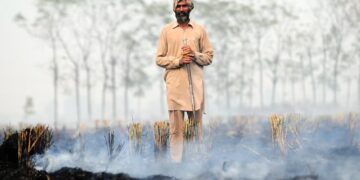
Michael Doane shared TNC’s vision of a zero-burn, conservation agriculture-based future by leveraging science to sustainably produce food while ensuring clean air, healthy soils, and improved watertable in the region.
PAU’s director of research Ajmer Singh Dhatt encapsulated the varsity’s several research technologies in the realms of cropping systems, soil testing, kinnow cultivation, and conservation agriculture, such as zero tillage, leaf colour chart, tensiometer, super seeder, smart seeder, agro-forestry systems, biofertilisers, pesticide residue analysis, micropropagation, and so on, that supplement the university’s stash of contributions to society. Talking about the newly released wheat variety PBW826, he mentioned that it has been identified simultaneously for two major wheat-growing zones of India.
News Source Link
#agriculture #technology #agri-tech #scheme #research #farmers #resources #economy #pollution #startup