












































BII to support the future of farming in India
Agriculture is a major source of carbon emissions globally. In India, it accounts for 14 percent of the country’s emissions—a staggering 400 million tonnes of CO₂ annually. It is also one of the most vulnerable sectors to the impacts of climate change.
That’s why we have invested $10 million in Grow Indigo, a pioneer in sustainable agriculture programs for smallholder farmers.
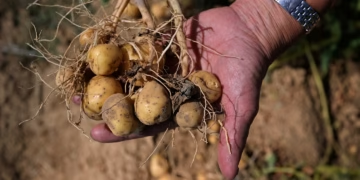
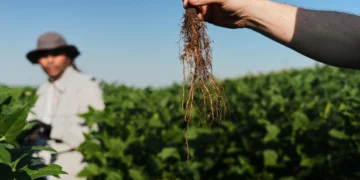
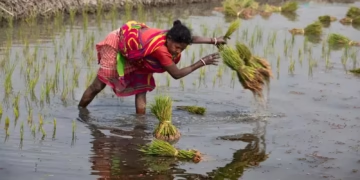
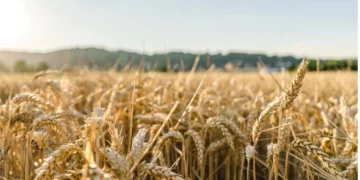
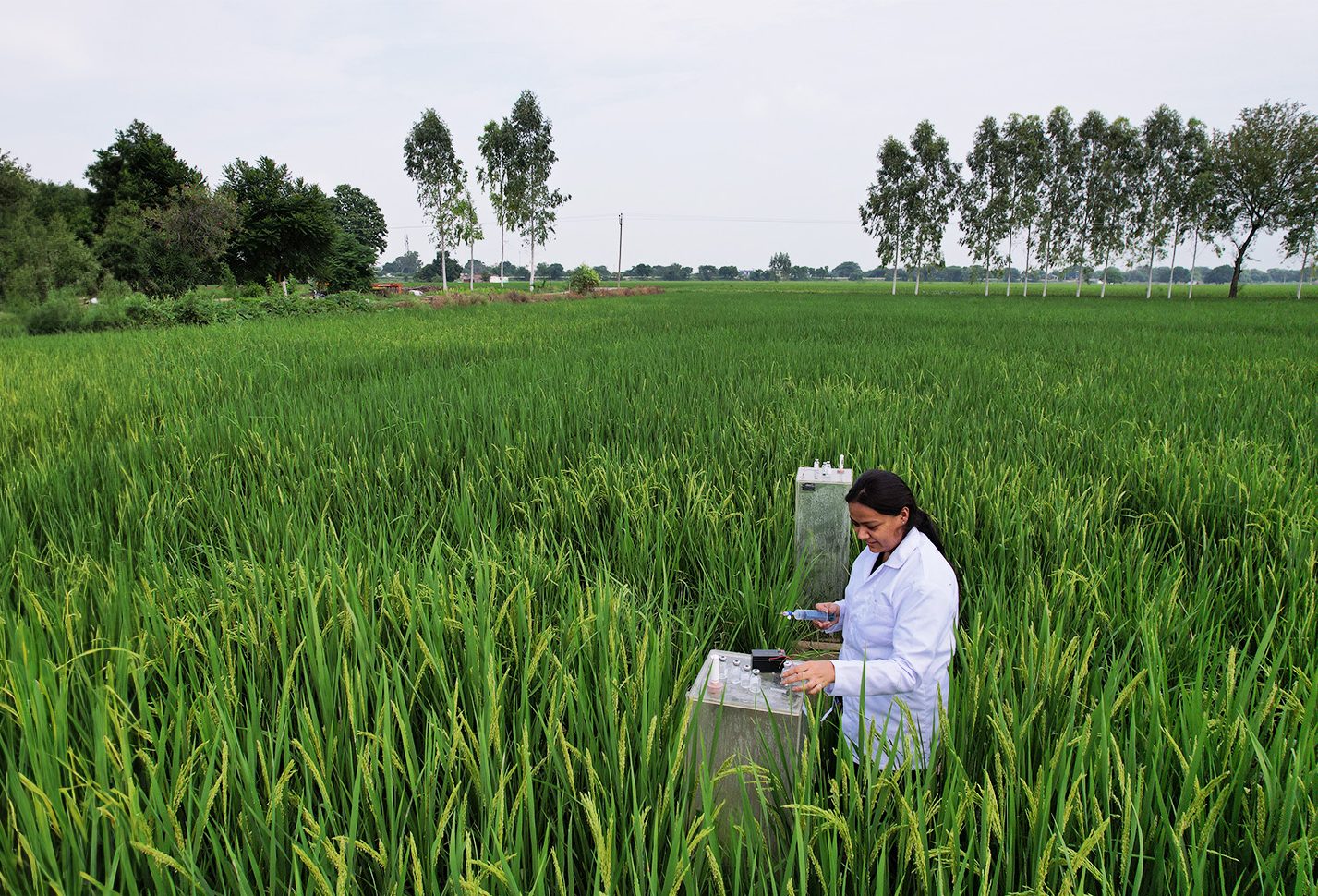
Grow Indigo addresses this challenge by promoting carbon farming, which involves sustainable techniques like direct-seeded rice and no-tillage farming. These practices enhance soil health, reduce erosion, preserve biodiversity, improve water efficiency, and reduce manual labor—benefiting women farmers. Known as regenerative agricultural practices, they are critical to the decarbonization of rice, wheat, and maize production across India.
And what’s good for the planet is also good news for India’s smallholder farmers.
By encouraging the adoption of regenerative agricultural practices, Grow Indigo is creating new income streams for smallholder farmers through soil carbon credits and sustainable produce. These credits are sold to corporations seeking to support the sustainable agricultural sector while meeting their sustainability goals. The majority of carbon credit revenue goes directly to participating farmers, improving their livelihoods.
With four carbon farming projects in development and the first carbon credits expected to be issued soon, Grow Indigo aims to enroll millions of farmers within the next two years.
Srini Nagarajan, Managing Director and Head of Asia at BII, said:
“Rice, wheat, and maize are staple foods in India, cultivated by numerous smallholder farmers who are vulnerable to the impacts of climate change. Through our innovative pools of capital, we are proud to support pioneering businesses like Grow Indigo that address adoption barriers by harnessing the potential of carbon markets. This initiative not only reduces carbon emissions but also enhances farmers’ climate resilience and increases their incomes. This aligns with the Government’s policies to support regenerative practices.”
Jennifer Kaul, Deputy Director, Investments, South Asia at the British Deputy High Commission in Mumbai, added:
“India’s strong resolve in adopting regenerative agricultural practices is noteworthy. The agricultural sector plays a key role, both for food security and as a valuable export commodity. The UK government is committed to investments that support our climate and sustainability goals, particularly in the agricultural sector. British International Investment’s support for Grow Indigo is a welcome step in this direction and reflects the deep partnership between our nations, which is underpinned by growth and sustainability.”
Dr. Usha Barwale Zehr, Executive Director of Grow Indigo, stated:
“Regenerative agriculture is the future of farming—not only for improving soil health and conserving water but also for creating better livelihoods for millions of smallholder farmers. With this funding, we will accelerate farmer enrollment and scale carbon farming initiatives. Ensuring the integrity of sustainability outcomes—through carbon credits and Scope 3 emission reductions—is of utmost importance to us and will bring maximum value to farmers through our science-backed MRV offerings. We are thrilled to be partnering with BII to pursue these critical sustainability objectives for India.”
#SustainableFarming #RegenerativeAgriculture #CarbonFarming #ClimateResilience#growindigo